Search Results
Search this site
500 results found with an empty search
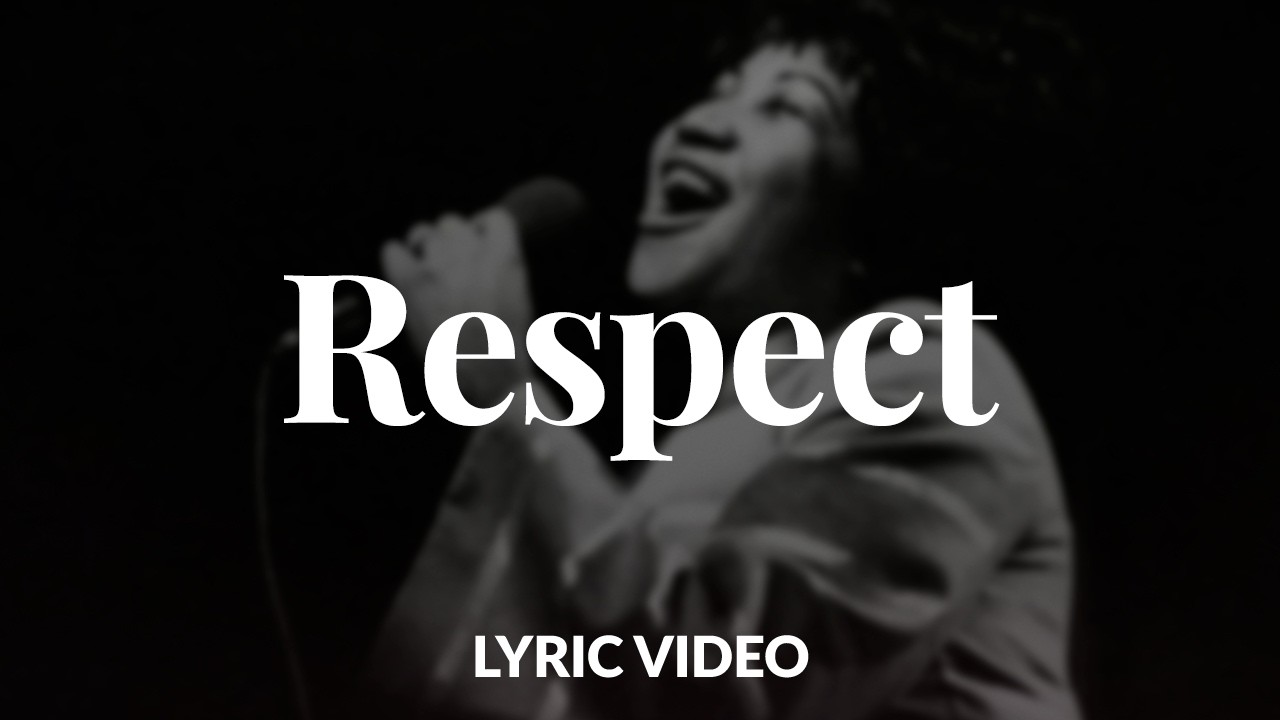
- R-E-S-P-E-C-T: Yep, This One Is for You
Respect. It sounds so simple, doesn’t it? We crave it from partners, friends, family, coworkers, and even that neighbor who never returns your lawnmower. Yet somewhere along the line, respect became less about giving and more about demanding—like a toddler in a toy aisle. After divorce, it turns downright elusive. Emotions are raw, trust is toast, and everyone’s busy rewriting the Netflix miniseries of what went wrong. If you’ve been through a divorce, you’ve probably encountered disrespect in ways you never thought possible. Lies. Broken promises. Silent treatments that last longer than some marriages. Public criticism that could win a Tony Award. Passive-aggressive comments so sharp they could slice bread. Or maybe the disrespect was so quiet it was practically invisible—making you feel unimportant, like a ghost at your own life story. Here’s the thing about respect: it doesn’t vanish in a dramatic, Aretha-worthy mic drop. It erodes slowly—one dismissive comment, one forgotten promise, one Olympic-level eye roll at a time. Eventually, you wake up and wonder when the person who once adored you swapped affection for apathy. When I think about respect, I can’t help but hear Aretha Franklin spelling it out: R-E-S-P-E-C-T. (Let’s be honest, you just sang that in your head.) It’s more than an anthem; it’s the simplest request anyone can make: “See me. Value me. Treat me like I matter.” After divorce, many people spend months—or years—asking themselves what they did wrong. They replay conversations like a late-night infomercial and question every decision as if they’re on a game show. Did I deserve this? Spoiler: you probably didn’t. Every relationship has two imperfect people, but nobody signs up for a masterclass in disrespect. Healthy relationships can weather disagreements, financial stress, and life’s curveballs—but not the slow, relentless leak of respect. Respect isn’t about agreeing on everything. In fact, some of the healthiest couples disagree often. The difference is how they disagree. They don’t weaponize each other’s insecurities. They don’t humiliate one another to win an argument. They don’t intentionally say things they know can never be taken back. They understand that once respect leaves the room, love often follows. One lesson divorce teaches us is that love alone isn’t enough. You can love someone deeply and still not be treated with kindness. You can love someone and still be manipulated. You can love someone and still find yourself constantly explaining why you deserve basic decency. That’s not love. That’s surviving. Divorce also has a way of forcing you to redefine respect—not just from others, but for yourself. It means setting boundaries without feeling guilty. It means refusing to engage in conversations designed only to provoke you. It means choosing peace over proving a point. It means recognizing that protecting your emotional well-being isn’t selfish; it’s necessary. For many of us, self-respect is rebuilt one decision at a time. It starts with saying “no” when you would have once said “yes.” It grows every time you stop apologizing for taking care of yourself. It becomes stronger each time you walk away from people who only seem to value you when they need something from you. Healing isn’t just about finding someone new. It’s about refusing to abandon yourself again. And here’s something worth remembering: respect is contagious. The way you treat your children after divorce teaches them what healthy relationships look like. The way you speak about your former spouse—even when it’s difficult—shows them that dignity is a choice. The way you carry yourself after heartbreak demonstrates that someone’s inability to value you does not determine your worth. If you’re dating again, pay attention to respect long before you pay attention to chemistry. Chemistry can be intoxicating. Attraction can be exciting. But respect is what remains when life becomes difficult. Respect is answering the phone. Keeping your word. Listening without interrupting. Supporting someone’s dreams instead of competing with them. Respect shows up in consistency, not grand gestures. The truth is, many of us entered relationships believing love would fix everything. Divorce teaches us otherwise. Love without respect becomes control. Love without honesty becomes manipulation. Love without kindness becomes obligation. The strongest relationships aren’t built on passion alone—they’re built on mutual respect that grows stronger over time. So yes, this one is for you. It’s for the person who was made to feel like they were never enough. It’s for the person who kept giving second, third, and tenth chances. It’s for the person who confused being patient with accepting poor treatment. And it’s for the person who’s finally beginning to understand that asking for respect isn’t asking for too much. Because it never was. As Aretha reminded us all those years ago, sometimes the simplest message is the most powerful. R-E-S-P-E-C-T. Not because you’ve earned it by being perfect. Not because someone decides you’re worthy. But because every healthy relationship begins with recognizing the humanity, dignity, and value in another person—and just as importantly, in yourself.
- Cherish the time you had together...But do not get stuck in time.
When you’re married, life can move at a relentless pace. You blink, and suddenly the days are filled with shared routines, whispered jokes over dinner, and the comforting chaos of everyday life. It’s tempting to believe there will always be another vacation, holiday, or quiet evening together. If your marriage is healthy, take a moment—just a moment—to really see each other. Celebrate the ordinary: the way your partner laughs at your worst joke, or the quiet way they reach for your hand in the car. Take the pictures. Go on date nights, even if it’s just takeout and a movie on the couch. Say “I love you” more often than you think you need to. These moments become threads in the fabric of your life’s story. But if divorce becomes part of your journey, those memories can become bittersweet—sometimes comforting, sometimes a little sharp around the edges. It’s easy to get lost there, even when you want to move forward. It’s natural to revisit the good times after a marriage ends. Maybe it’s the way you both decorated the tree every December, or the silly nickname only you two understood. The laughter, family traditions, inside jokes, and shared dreams linger. Those memories don’t disappear just because the relationship did—they were real, and they mattered. The challenge comes when you begin living more in the past than in the present. Constantly replaying “what used to be” can cloud your vision of what’s still possible. New experiences may feel like pale imitations of what you once had. Your heart can get anchored to a chapter that’s closed, even as life nudges you to turn the page. Cherish your memories—they’re part of who you are. But resist building a permanent home inside them. Life after divorce isn’t about erasing your marriage or pretending it never happened. It’s about letting those memories take their rightful place in your story—part of your history, not your future. The love you shared helped shape you, but it doesn’t have to define every single day that comes next. There is still joy waiting to be discovered—new traditions to create, friendships to build, and moments that deserve your full attention. Maybe life looks different from what you imagined, but different doesn’t mean less. It can still be meaningful, fulfilling, and beautiful. Honor your past, but don’t let it keep you from stepping into your future with hope and open arms. Divorcee Dish Takeaway: The best memories from your marriage deserve gratitude—not a lifetime lease on your heart. Hold them gently, learn from them, and then open yourself to new memories—ones that belong to the story you’re writing now, on your own terms.
- There Is Love... and Then There Is Married Love
While we are growing up dreaming of falling in love—the butterflies! Then late-night talks, the thrill of finding someone who seems to complete us. Movies, novels, and social media teach us that this rush is what love should always feel like—and that if it fades, something must be wrong. As I get older, though, I wonder whether we've defined love too narrowly. Maybe there's the exhilarating love that brings two people together—and then there's the quieter, steadier love that is built over years of sharing a life. Maybe there is love... and then there is married love. That first kind of love is intoxicating. Everything feels effortless because it's all new. You want to spend every free moment together, overlook minor annoyances, and even ordinary moments feel extraordinary simply because you're sharing them side by side. It's a beautiful season of life, one most of us remember fondly. But no relationship stays in that season forever. Eventually, life makes its demands. Careers intensify, children arrive, bills pile up, houses need upkeep, parents age, and hardships arise. What began with date nights and spontaneous adventures gradually shifts into responsibilities, routines, and partnership. For some couples, that's when doubt begins to creep in. They wonder where the excitement went. They miss the constant butterflies and assume that because the intensity has changed, the love must have disappeared. They start to question whether they've simply fallen out of love. What if that's the wrong question? What if the real question is whether the relationship has evolved into something different? Married love isn't about living in a permanent honeymoon phase. It isn't fueled by novelty or constant excitement. Instead, it's built one ordinary day at a time. It's found in the little things that rarely make it onto social media but ultimately define a relationship far more than grand romantic gestures ever could. It's your spouse making your coffee exactly the way you like it without asking. It's knowing when your partner needs advice and when they simply need someone to listen. It's sitting together in complete silence and feeling perfectly comfortable because your connection no longer depends on constant conversation. It's standing beside one another during job losses, illnesses, family crises, financial struggles, and all of the unexpected moments that life inevitably brings. Married love isn't always glamorous, but it is often incredibly profound. One of the most heartbreaking phrases people hear in relationships is, "I love you, but I'm not in love with you anymore." Sometimes those words reflect genuine problems that have been ignored for too long. Every relationship requires attention, communication, and effort. But I also wonder how often people mistake the natural evolution of love for the disappearance of love altogether. We've been taught to chase feelings, but feelings naturally change. Excitement rises and falls. Passion has seasons. Even happiness fluctuates throughout life. If we expect relationships to remain emotionally identical to the first year of dating, we're placing an impossible expectation on both ourselves and our partners. The strongest relationships aren't the ones that never change. They're the ones who continue to grow as life changes around them. Divorce has a way of changing your perspective on all of this. When you've experienced the end of a marriage, it's easy to start searching for that familiar spark again. You want to feel desired. You want excitement. You want proof that your heart can still race after everything you've been through. There's absolutely nothing wrong with that. But many divorced people eventually realize they're looking for something more than chemistry. They begin to value emotional consistency over emotional intensity. They appreciate kindness more than charm. They look for honesty instead of empty promises. They recognize that reliability is often more attractive than unpredictability. They stop confusing emotional highs with emotional security. After a divorce, many people become less interested in finding someone who sweeps them off their feet and far more interested in finding someone who walks beside them through everyday life.
- Summer Dating Trends: What’s Hot, What’s Not, and What Really Matters
Summer has always been known as the season of possibility. The days are longer, the weather invites us outdoors, and there’s an energy in the air that encourages people to get out, meet new faces, and take chances. Whether you've recently divorced, have been single for years, or are cautiously stepping back into the dating world, summer can feel like a fresh start. But dating has changed. The rules are different. The expectations are different. And perhaps most importantly, many people are dating with far more intention than they did just a few years ago. Here are some of the biggest summer dating trends—and what they mean if you're looking for love. The days of dating simply to pass the time are fading. More people are asking important questions earlier in the relationship. They’re discussing future goals, family, finances, values, and lifestyle before investing months—or years—with someone who isn’t compatible. After a divorce, this approach makes sense. You’ve already learned that chemistry alone isn’t enough. Compatibility matters just as much. . Many couples are choosing experiences instead, such as: • Outdoor concerts • Farmers markets • Kayaking adventures • Local festivals • Hiking trails • Mini road trips • Food truck nights • Winery or brewery visits • Sunset walks These dates create memories and allow conversations to flow naturally, without the pressure of a formal dinner. Slow Dating Is Making a Comeback Not every relationship needs to move at lightning speed. Many singles are embracing “slow dating”—taking the time to truly get to know someone before becoming exclusive or deeply emotionally invested. After a divorce, patience can be one of your greatest strengths. You no longer need to rush simply because someone shows interest. Perfect photos and carefully curated online profiles are becoming less important. Someone who is comfortable laughing at themselves and showing up exactly as they are. The most attractive quality isn’t perfection. It’s confidence mixed with kindness. One trend that’s here to stay is the focus on protecting your emotional well-being. Healthy daters are becoming better at recognizing red flags early. They’re setting boundaries. They’re walking away from inconsistency instead of making excuses. They’re choosing peace over chaos. That’s not being picky. That’s being emotionally healthy. Where singles are meeting has changed more off the apps: Singles are meeting through: • Volunteer organizations • Fitness classes • Book clubs • Community events • Professional networking groups • Friends • Travel • Local hobby groups The best strategy is to live a full life rather than waiting for someone to appear on your phone. Confidence, peace, authenticity, and joy never go out of season. Where have you met someone lately?
- Take the Time to Heal. If You Don’t, Life Has a Way of Making You Do It Later.
There is something nobody tells you about divorce: the paperwork may end, the signatures may dry, the boxes may get unpacked, and the world may expect you to be fine—but your heart does not heal on a legal timeline. One of the biggest mistakes after divorce is believing that moving on is the same as healing. Many people stay busy with work, dating, parenting, fitness, or anything else that keeps life too full to feel what still hurts. But staying busy is not always healing. Sometimes it is survival. Sometimes it is avoiding wearing a brave face. And sometimes, the pain you buried so you could keep going quietly waits until you are finally still enough to feel it. That is why healing has to be intentional. Pain does not disappear because you ignore it; it simply learns how to hide. Then, years later, it rises in the quiet moments, in the memories you thought you had outrun, and in the tenderness you are afraid to trust again. Sometimes it shows up in your next relationship, when someone loves you in a way you no longer know how to trust. Sometimes it appears as anxiety every time your phone buzzes, as the inability to believe a compliment, as anger over something that happened years ago, or as exhaustion from carrying emotional weight that was never yours to carry. I know the temptation. After a divorce, there is pressure to prove you are okay. To smile before you are ready. To rebuild before you have grieved. To convince everyone, including yourself, that you are fine. The world celebrates “moving on,” but very few people see the quiet courage it takes to sit with what broke you and choose not to let it harden you. But those moments matter. Every tear, every honest prayer, every therapy session, every night you choose truth over pretending—those are not signs of weakness. They are the places where your heart begins to come back to you. Grief is patient. It does not care whether you have been divorced for six months or six years. If it has not been acknowledged, it waits until life slows down enough that you can no longer outrun it. I have met people who thought they had healed, only to realize years later that they had simply become experts at surviving. A new relationship, a child’s milestone, an old photo, or a familiar song can bring everything buried back to the surface—not because they failed, but because the heart still needed care where it had only been covered. Take the time now. Cry when you need to. Journal. Pray. Go to counseling. Take long walks. Forgive yourself before you worry about forgiving anyone else. Learn who you are without someone else’s opinions defining your worth. Let solitude become a place of peace instead of punishment. Healing is not pretending the past never happened. It is refusing to let the past keep writing your future. Maybe someone will apologize one day. Maybe they never will. Maybe some questions will remain unanswered, and maybe justice will never look the way you hoped. But your healing cannot wait for someone else to become honest, sorry, or different. It has to become the promise you make to yourself. Here is the beautiful part: when you truly heal, you stop reacting from your wounds and begin responding from your wisdom. You stop choosing people from a place of emptiness and begin choosing what protects your peace. You stop mistaking attention for love and start recognizing the difference between being wanted and being valued. And perhaps most importantly, you realize your story did not end with divorce. It began a new chapter—one where peace matters more than proving anything, where your softness is not weakness, and where you finally understand that healing is not something to rush. The time you invest in healing today can save you years of carrying pain that never belonged in your future. So if you are reading this and wondering whether it is okay to slow down, this is your permission. Take the time. Feel what you need to feel. Do the work. Heal completely. Your future self will thank you for every tear, every therapy session, every journal entry, and every day you chose growth over pretending. Healing is not lost time; it is the best investment you will ever make in the rest of your life.
- Reflection
After divorce, there comes a point when the noise finally settles. The paperwork is signed. The boxes are unpacked. Friends stop checking in every week. Life slowly begins to look… normal. Looking forward And then, quietly, reflection shows up—not the kind that lives in old photographs or on anniversary dates, but the kind that quietly asks difficult questions. Who was I before all of this? When did I stop recognizing myself? Why did I ignore the things I knew deep down? Reflection has a funny way of arriving when you least expect it—driving home from work, folding laundry, watching your kids laugh, or sitting on the porch after everyone else has gone to bed. For years, I thought reflection meant replaying every mistake, every argument, every missed red flag—as if all of it were evidence in a trial where I was somehow both the prosecutor and the defendant. That isn’t reflection. That’s punishment. Real reflection isn’t about assigning blame; it’s about finding understanding. It’s recognizing that sometimes you loved someone with everything you had, and it still wasn’t enough to make the relationship healthy. It’s admitting you tolerated things you wouldn't tolerate today. It’s realizing that you became smaller to make someone else feel bigger. It’s seeing how often you apologize simply to keep the peace. It’s understanding that surviving isn’t the same thing as living. There are moments I wish I could erase—words I wish had never been spoken, nights I wish had ended differently, years I wish hadn’t been spent hoping someone would become the person they promised to be. But if I erased those chapters, I’d erase the woman who learned just how strong she could be. Reflection doesn’t always feel peaceful. Sometimes it hurts. Sometimes it brings tears you thought you were finished crying. Sometimes it reminds you of birthdays, vacations, or ordinary Tuesday nights—moments that now feel extraordinary simply because they’re gone forever. That’s okay. Healing isn’t measured by how rarely you think about your past, but by how differently you think about it. The memories don’t disappear. Their power changes. Eventually, you stop asking, “Why did this happen to me?” You start asking, “What did this teach me?” instead. That’s where growth begins. Reflection teaches you that your instincts were speaking long before your heart was ready to listen. It teaches you that loneliness inside a marriage can be far more painful than loneliness after one. It teaches you that peace is worth protecting—even if it means walking away from the life you thought you’d have. But most importantly, reflection teaches you to meet yourself with compassion. You weren’t weak for staying. You weren’t a failure because your marriage ended. You weren’t foolish for believing someone could change. You were human. And humans love, hope, and give second chances—sometimes too many. If you find yourself reflecting today, don’t use the past as a weapon against yourself. Use it as a map. Notice how much you’ve survived. Notice how differently you respond to situations that once would have broken you. Notice how your standards have changed, how your confidence is quietly returning, how you laugh more often, and how you’re becoming someone your past self desperately needed. Reflection isn’t there to pull you backward. It’s there to remind you just how far you’ve come. One day, you’ll look back—not with regret, not with anger, not even with sadness, but with gratitude. Not because the divorce happened. But because somewhere in the wreckage, you found yourself again. And that version of you? Is worth every step it took to get here. Have you ever had a moment of reflection that completely changed the way you viewed your divorce or yourself? Share your thoughts in the comments. Sometimes your story is exactly what someone else needs to hear today.
- Even If It’s Just One Spark
The Fourth of July often brings to mind fireworks, backyard barbecues, crowded celebrations, and families coming together. Social media overflows with smiling faces, waving flags, and picture-perfect moments, making it seem as though everyone is celebrating something grand. But what if your weekend looks different this year? Maybe this is your first Fourth of July after a divorce. Maybe the kids are with your ex. Maybe the chair beside you is empty. Or perhaps you’ve simply reached a point where loud celebrations no longer feel the same. If that’s you, I want you to know something. One spark is enough. Fireworks never start with the grand finale. They begin with a single spark, quietly climbing into the sky before blossoming into something beautiful. Healing works the same way. Maybe your spark this weekend is making your favorite meal instead of skipping dinner. Maybe it’s taking a walk while your neighborhood lights up the night. Maybe it’s saying yes to an invitation you almost declined. Maybe it’s buying yourself flowers. Maybe it’s reading on the porch. Maybe it’s calling a friend. Maybe it’s watching the fireworks alone without feeling lonely. Sometimes freedom isn’t about a country. Sometimes it’s deeply personal. It’s the freedom to stop pretending you’re okay when you’re not. The freedom to create new traditions. The freedom to laugh without feeling guilty. The freedom to let go of people who no longer choose you. The freedom to discover that peace can be louder than chaos. Divorce has a way of making holidays feel different. Empty spaces appear where memories used to live. Traditions get rewritten, schedules shift, and families look different. But different doesn’t always mean worse. Sometimes, different is exactly where healing begins. As you watch the fireworks this weekend, remember that every brilliant display begins with something incredibly small. No one applauds the spark—they’re all waiting for the explosion of color. But without that spark, nothing else happens. So if all you can manage this weekend is one small step forward, celebrate it. If you smile once, that’s a spark. If you stop comparing your life to someone else’s, that’s a spark. If you wake up tomorrow with just a little more hope than yesterday, that’s a spark. If you decide to believe that your best days haven’t already happened, that’s a spark. And enough sparks eventually light up an entire sky. So wherever you find yourself this Independence Day weekend—whether with family, friends, your children, or simply yourself—I hope you remember: You don’t need a perfect life to have a meaningful one. Your story is still unfolding. Your joy is still possible. Your freedom is still worth celebrating. Have a safe Fourth of July weekend. And if all you have is one spark… Trust that it’s enough. Happy Independence Day. 🇺🇸❤️
- The Raw Emotions of Divorce
Let’s stop pretending divorce is a beautifully packaged journey of self-discovery. Sometimes divorce is ugly. Sometimes it’s crying in a parking lot because your favorite coffee creamer reminds you of Saturday mornings that don’t exist anymore. Other times, it’s cleaning your house at midnight just to avoid thinking. Or it’s staring at the ceiling at 2:37 a.m., wondering how someone who once promised you forever now acts like a complete stranger. No one talks about that part. People love the comeback story. They love the look-how-much-happier-she-is-now photos on social media. They love to tell you everything happens for a reason. What they don’t love is sitting with someone in the middle of heartbreak when there are no inspirational quotes to fix it. Divorce is raw. It strips away every layer you’ve spent years building—your identity, routines, traditions, confidence, and plans. Even the future you had written in your head can disappear overnight. Suddenly, you’re grieving not just the person you lost, but the life you thought you were going to have. Those are two completely different losses, and both hurt deeply. Some days you miss them. Some days you hate them. Some days, you miss the person you thought they were, only to remember that person stopped existing long before the divorce papers were signed. That’s the mind game nobody warns you about. You don’t just lose your spouse. You lose your biggest witness. The person who knew why you hated mushrooms, what your first concert was, why you always cried during that one movie, or how you took your coffee every morning. Even if they became someone you barely recognized, they still knew your story. Losing that kind of history leaves a silence that is almost deafening. And then there’s the anger. Not the pretty kind. The ugly kind. The kind that makes you want to scream because someone else’s choices blew your life apart. The anger that comes from realizing how much of yourself you gave away trying to save a relationship that only one person was fighting for. The anger that sneaks up on you months later when you realize you apologized for things that were never yours to carry. You start replaying conversations in your head. Why didn’t I say that? Why did I let that happen? Why did I keep believing the next promise? Why wasn’t I enough? That last question is the cruelest one because it’s based on a lie. Divorce has a way of convincing you that your worth was somehow tied to whether someone chose to stay. It whispers that if you had been prettier, quieter, more successful, less emotional, or more patient, somehow this wouldn’t have happened. No. Stop. Someone else’s inability to love you well is not evidence that you were difficult to love. Read that again. Then there are the random triggers that hit when you least expect them. A song. A restaurant. The smell of someone’s cologne in an elevator. Watching an older couple hold hands. Seeing families on vacation. Hearing someone complain about their spouse while you’re sitting there thinking, “I’d give anything to have problems that small again.” Grief doesn’t make appointments. It just shows up. The hardest part wasn’t always the big moments. More often, it was the ordinary ones: walking through Costco alone, making dinner for one, filling out emergency contact forms, and realizing you don’t know who to list anymore. Coming home after a good day with no one waiting to hear about it. Or having the worst day of your life and realizing the person you used to call is now the last person you’d ever dial. That’s a different kind of lonely. People assume loneliness means wanting another relationship. Not always. Sometimes you don’t miss having a partner. You miss having a person. Someone who simply knew your day without you having to explain it. And here’s the part that may make some people uncomfortable. There are days you don’t miss your ex at all… But you still miss being married. You miss belonging somewhere. You miss traditions. You miss inside jokes. You miss saying "we" instead of "I". You miss believing someone had your back. Those are very different things from missing the person who hurt you. Healing isn’t linear. That might be the biggest lie we’ve been sold. It’s not one step forward every day. Sometimes you feel amazing for three weeks, and then, on a random Tuesday, you find an old receipt in your glove compartment, and suddenly you’re sobbing so hard you have to pull over. You start to wonder if you’ve made any progress at all. You have. Healing isn’t measured by whether you still cry. It’s measured by how much your tears control your life. One day, you notice you’re laughing more than you’re crying. One day, you realize you made a decision without wondering what someone else would think. One day, you catch yourself singing in the car again. One day, you wake up, and the first thing on your mind isn’t the divorce. That’s when you realize something incredible happened while you were busy surviving. You started becoming yourself again. Not the version of yourself that existed before marriage. A different version. A stronger one. One with better boundaries. One who sees red flags sooner. One who knows that peace is worth protecting. One who finally understands that being alone is infinitely better than feeling alone next to someone who stopped choosing you. Divorce changes you and it should. If it doesn’t, you probably aren’t paying attention. I don’t want to be the woman I was before my divorce. She accepted things she shouldn’t have accepted. She ignored her intuition. She confused loyalty with self-sacrifice. She kept believing that loving someone harder would eventually make them love her the same way. She deserved better. So do you. The emotions may feel raw today. Tomorrow, they may feel even worse. But raw doesn’t mean broken forever. Raw means you’re healing. It means the wound is exposed. It means you’re still in the middle of the hardest part. One day, it won’t hurt like this. Not because you’ll forget. But because you’ll finally realize your story didn’t end with your marriage. It started over. And this time, you’re the one holding the pen.
- I Hope It Shrivels Up and Falls Off
Let's just say it: after a breakup or divorce, there comes a moment—usually after the tears, after the rage cleaning, after deleting (and then undeleting) their number—when a thought pops into your head that would make your grandmother clutch her pearls. "I hope it shrivels up and falls off." Not their car. Not their house. Not even their hair. You know exactly what I mean. After a breakup or divorce, there comes a moment—usually after the tears, after the rage cleaning, after deleting (and then undeleting) their number—when a thought pops into your head that would make your grandmother clutch her pearls. "I hope it shrivels up and falls off." Not their car. Not their house. Not even their hair. You know exactly what I mean. Before anyone gets offended, relax—it's called sarcasm. It's called surviving heartbreak. It's saying out loud what millions of people have probably thought but would never admit. When someone breaks your heart, lies to you, replaces you before your side of the bed is cold, or treats your love like it was disposable, your brain doesn't exactly respond with, "I wish them peace and prosperity." Instead, your first instinct is usually somewhere between wanting karma to show up wearing steel-toed boots and hoping life becomes mildly inconvenient forever. Maybe every drive-thru gets its order wrong. Maybe every sock disappears in the dryer. Maybe every airline delays its flight. Or maybe... well... you hope it shrivels up and falls off. Your first instinct is usually somewhere between wanting karma to show up wearing steel-toed boots and hoping life becomes mildly inconvenient forever. Maybe every drive-thru gets its order wrong. Maybe every sock disappears in the dryer. Maybe every airline delays its flight. Or maybe...Well...You hope it shrivels up and falls off. We've all been there, and the funny thing is that those thoughts don't actually mean you're a bitter person—they mean you're hurt. Pain has a wicked sense of humor. It whispers things you would never normally say because it's trying to make sense of something that doesn't. The funny thing is that those thoughts don't actually mean you're a bitter person. They mean you're hurt. Pain has a wicked sense of humor. It whispers things you would never normally say because it's trying to make sense of something that doesn't. But here's what I've learned: eventually, you stop caring whether karma shows up. You stop wondering if they're happy. You stop checking their social media. You stop asking mutual friends questions you pretend you don't care about. You stop rehearsing imaginary conversations where you finally say everything perfectly. And one day, without even noticing it, the joke changes. Instead of hoping something shrivels up and falls off, you realize the only thing that actually did was your attachment to someone who wasn't worthy of your energy. That is real freedom. Eventually, you stop caring whether karma shows up. You stop wondering if they're happy. You stop checking their social media. You stop asking mutual friends questions you pretend you don't care about. You stop rehearsing imaginary conversations where you finally say everything perfectly. And one day, without even noticing it, the joke changes. Instead of hoping something shrivels up and falls off... You realize the only thing that actually did was your attachment to someone who wasn't worthy of your energy. That is real freedom. Healing isn't when they apologize. Healing isn't when they regret losing you. Healing isn't when someone tells you they were miserable without you. Healing is when you laugh at something that used to make you cry. It's when you hear their name and your blood pressure doesn't change. It's when you genuinely hope your future is better than your past—not because they lose, but because you finally win. Healing isn't when they apologize. Healing isn't when they regret losing you. Healing isn't when someone tells you they were miserable without you. Healing is when you laugh at something that used to make you cry. It's when you hear their name and your blood pressure doesn't change. It's when you genuinely hope your future is better than your past—not because they lose, but because you finally win. Don't misunderstand me: if you're still in the "I hope it shrivels up and falls off" phase, I get it. Stay there for a minute if you need to. Vent to your friends. Eat the ice cream. Roll your eyes every time someone tells you to "take the high road." Just don't build a house there. Because revenge is exhausting. Peace is lighter. And the best revenge has never been watching someone else fall apart—it's becoming so happy that you almost forget why you were angry in the first place. Almost. If you're still in the "I hope it shrivels up and falls off" phase...I get it. Stay there for a minute if you need to. Vent to your friends. Eat the ice cream. Roll your eyes every time someone tells you to "take the high road." Just don't build a house there. Because revenge is exhausting. Peace is lighter. And the best revenge has never been watching someone else fall apart. It's becoming so happy that you almost forget why you were angry in the first place. Almost. And if, years from now, someone brings up your ex and you accidentally smirk before saying, "I hope it shrivels up and falls off..."—well, that's just proof you've healed.
- Divorce Trends to Watch in 2026
Divorce in 2026 feels different than it did even a decade ago. While fewer couples overall are choosing to part ways, the reasons behind those decisions—and the ways people move forward—are evolving in deeply personal ways. Gray Divorce Continues to Reshape Families One of the most striking shifts is the rise of "gray divorce"—when couples choose to separate after age 50, often after decades together. Key findings: Nearly 40% of divorcing adults are now age 50 or older. Divorce rates for younger adults have declined, while rates among older adults remain elevated. Empty nests, longer life expectancies, changing retirement dreams, menopause, and a growing desire for personal fulfillment all play a role. For many people, the question has shifted from: "Can I stay married?" to "Do I want to spend the next 20–30 years this way?" This change in mindset is at the heart of many later-life divorce decisions. Women Are Initiating More Divorces Women are still initiating most divorces, especially among those who are educated and financially independent. Common themes include: Emotional disconnection Unequal household responsibilities Feeling invisible or emotionally unsupported Desire for greater autonomy and personal growth Therapists and family law professionals say more women are reaching a point where they’re simply unwilling to stay in relationships that feel one-sided or emotionally draining. Divorce Is Becoming More Strategic Experts note that in 2026, many couples are treating divorce less like a public battle and more like a thoughtful transition plan. Couples are increasingly seeking: Mediation Collaborative divorce Financial planning before filing Co-parenting coaching Privacy and discretion People want outcomes that help them move forward with less hurt—financially and emotionally. Repartnering Without Remarrying Many people who’ve divorced are finding new companionship—but don’t necessarily want to remarry. Growing trends include: Long-term cohabitation Maintaining separate residences LAT relationships ("Living Apart Together") Blended families without formal marriage Especially for those over 50, there’s a desire for partnership while also maintaining financial independence, retirement benefits, and long-term plans. Technology Is Changing Divorce Recovery Technology is becoming an increasingly important part of life after divorce, offering new ways to find support and connection. People are using: Therapy apps Online support communities AI journaling tools Financial planning platforms Dating apps at older ages Research suggests that around 14% of adults in their 60s and 12% of those over 70 have tried dating apps—proof that it’s never too late to seek out new connections. Emotional Fulfillment Matters More Than Ever Perhaps the biggest shift is one of the heart and mind. Many people entering divorce today are asking: Am I growing in this relationship? Do I feel emotionally safe? Am I valued beyond my role as a spouse or parent? Is this relationship helping me become the person I want to be? For some couples, these questions spark a renewed commitment. For others, they set the stage for bittersweet endings—and exciting new beginnings. A strong theme for 2026 is: People aren’t giving up on love—they’re letting go of relationships that no longer fit the life they want to live.
- Some People Are Just Tools
At some point in adulthood, many of us experience an uncomfortable realization: not everyone in our lives is present to love, support, or genuinely care about our well-being. Some people enter our lives purely to take advantage. And yes, sometimes people are just tools. Not "tools" in the humorous, eye-roll way we joked about in high school. I mean people who manipulate situations, relationships, and emotions to benefit themselves while offering little in return. They borrow your time. They borrow your energy. They borrow your connections. They borrow your kindness. And when they're done, they disappear until they need something else. The frustrating part is that these people rarely look like villains. They can be charming, charismatic, vulnerable, or even seem deeply appreciative. They know exactly what to say to keep the door cracked open—telling you how much they admire you, how busy they've been, or how they simply "haven't had time" to reciprocate. But relationships aren't supposed to feel like subscriptions where only one person keeps paying the monthly fee. Healthy friendships, partnerships, and family relationships are built on mutual give-and-take. No one keeps score, but everyone shows up. Sometimes, one person gives more during a tough season, and later, the roles reverse. That’s genuine support. Being used feels different. You notice you're the first call during a crisis but never invited to celebrate a success. You send birthday messages and gifts but receive silence on your special occasions. You provide advice, introductions, encouragement, and emotional labor, yet when you need someone to listen, they're nowhere to be found. Eventually, resentment creeps in. The good news? You don't have to become bitter. You simply become wiser. You can stop answering every text immediately. You can stop volunteering your expertise for free. You can decline invitations that feel one-sided. You can let people show you who they are and believe them. Boundaries aren’t punishment; they’re clarity. They tell others what kind of access they have to your life. And here's the surprising truth: when you stop overextending yourself, the people who genuinely value you stick around. They check in. They remember details. They celebrate your wins. They ask how you're doing without attaching a favor. The users drift away. The takers find another source. The tools eventually move on to a different toolbox. And that's okay. Your energy is valuable. Your kindness is valuable. Your connections, talents, and heart are valuable. Save them for the people who know the difference between being supported and simply taking advantage of someone else's generosity. Life is too short to keep sharpening yourself for people who only see you as a resource.
- A New Connection: Learning to Let Someone In Again
After divorce, meeting someone new isn’t just about chemistry or attraction. It’s about finding the courage to trust again. It’s about deciding, after everything you’ve been through, to open a door you once tried so hard to nail shut. A new connection can feel exciting, confusing, exhilarating, and terrifying—all at once. One moment, you’re smiling at a thoughtful text or the way someone remembers your favorite coffee. Next, you’re second-guessing yourself, waiting for the other shoe to drop, or wondering if your heart is really ready for this. Divorce changes you. You become fiercely protective of your peace, your time, and your energy. You know what it’s like to give your heart to someone who eventually becomes a stranger. You know the exhaustion of carrying a relationship on your own shoulders. You know how hard it is to rebuild your life from the ground up. That's why a new connection can feel so significant. It isn't necessarily about finding "the one." Sometimes, it’s simply about rediscovering that your heart still works. It's realizing that you can laugh until your stomach hurts again. That butterflies still exist. That you can enjoy getting dressed up for dinner, checking your phone with anticipation, or staying up talking until midnight. A new connection teaches you things about yourself. Maybe you've learned that you communicate better now. Maybe you've discovered you have stronger boundaries. Maybe you finally know what you need—and what you’ll never settle for again. You stop settling for inconsistency. You stop explaining away red flags. You stop accepting breadcrumbs because you’ve finally learned you deserve the whole meal. The truth is, some connections are meant to last forever. Others show up just to remind you that your story didn’t end when your marriage did. Some people enter our lives to heal parts of us we didn’t even realize were still hurting. They remind us what genuine kindness feels like. They show us that not everyone leaves, not everyone lies, and not everyone takes more than they give. And even if a connection doesn't turn into a relationship, it can still be meaningful. It can restore confidence. It can rekindle hope. It can help you remember the version of yourself that existed before heartbreak became your identity. So if you’ve recently met someone who makes you smile, listens when you talk, shows up when they say they will, or simply makes life feel a little lighter—enjoy it. You don't have to know where it's headed. You don't have to plan the next five years. You don't have to decide whether they're your forever person. Just allow yourself to experience the gift of connection. After divorce, that alone is a quiet but beautiful victory. Because sometimes healing doesn't look like moving on. Sometimes, healing looks like meeting someone’s eyes and realizing you’re no longer afraid to let yourself be truly seen. And maybe that's what a new connection is really about—not replacing what was lost, but proving to yourself that your capacity to love, trust, and hope was never lost after all. It was simply waiting for the right moment to emerge again.